When we started CoLearn, our mission was clear: to elevate Indonesian students from the bottom 10% of global PISA rankings into the top 50%. But as the global EdTech landscape shifted drastically over the past few years, we realized that achieving this goal required more than just rapid user acquisition—it required building a fundamentally sustainable business.
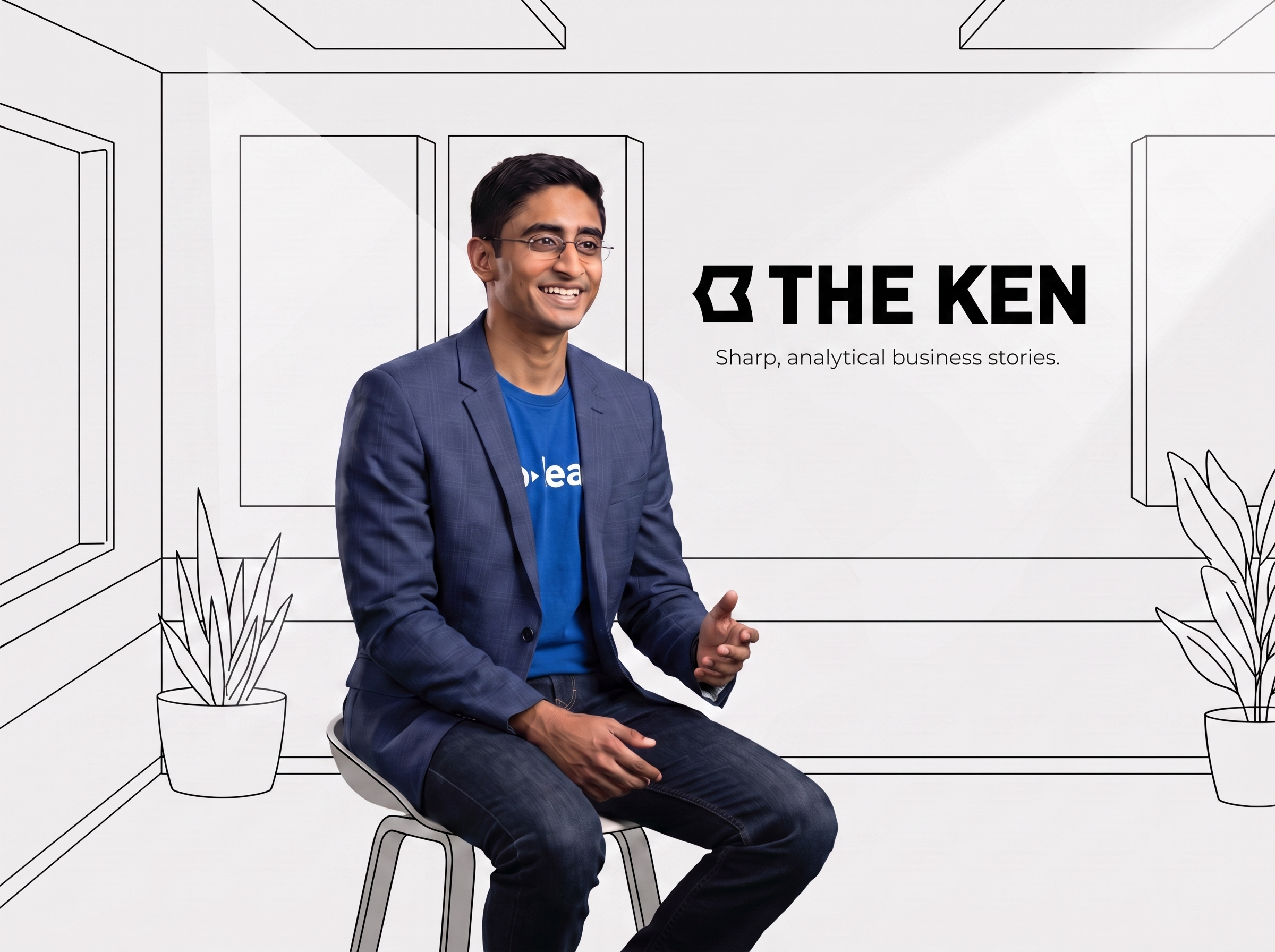
In a recent episode of The Leap Podcast, our CEO and Co-Founder, Abhay Saboo, shared the strategic thinking behind CoLearn’s journey, the realities of pricing for the Indonesian market, and why we are betting heavily on live online learning over pure AI solutions.
Here is an inside look at our strategic direction and the key takeaways from the conversation:
Here is an inside look at our strategic direction and the key takeaways from the conversation:
Focusing on foundational problem-solving
The core of our mission isn’t just about teaching math and science to pass exams; it’s about developing critical thinking. As AI tools become mainstream, rote memorization is quickly losing its value. We view subjects like math as a sandbox for building robust problem-solving skills—equipping students to adapt to whatever the future job market holds.
Pivoting from AI-driven B2C to live cohort classes
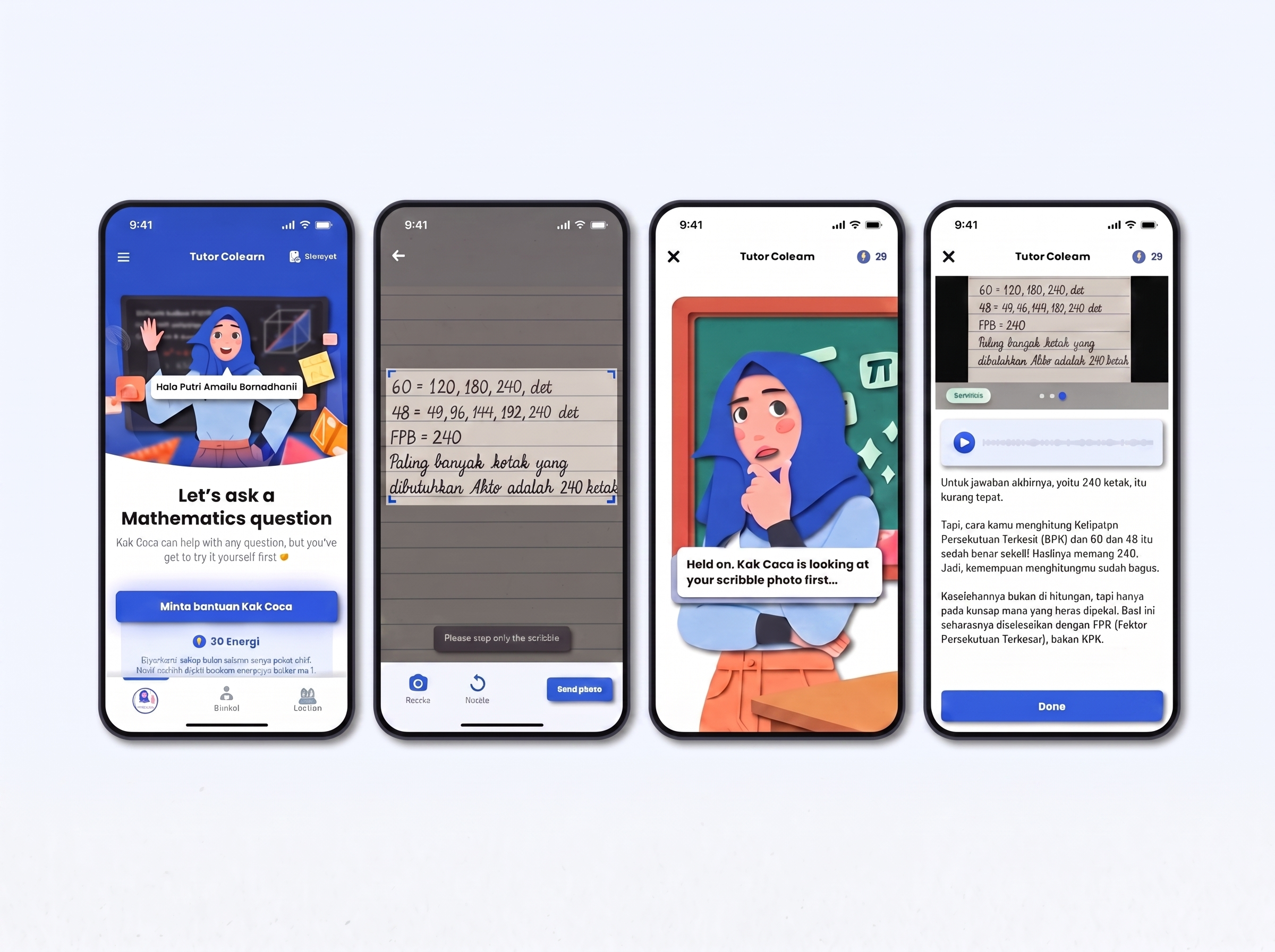
While our AI-powered homework helper attracted millions of free users, monetizing a purely AI-driven B2C product proved incredibly challenging. Recognizing this, we shifted our core focus to live, cohort-based online classes. Learning requires motivation, attention, and community. By grouping students into familiar cohorts led by expert teachers, we replicate the high-touch engagement of physical classrooms while maintaining the limitless scale of digital delivery.
Aligning pricing with economic realities
A common mistake in the EdTech sector is ignoring the actual purchasing power of the everyday consumer. With Indonesia’s median income sitting at around 2.2 to 3 million Rupiah, selling expensive, multi-year subscription packages simply isn’t viable for the masses. To build true accessibility, we adjusted our model by:
Slashing prices down to an affordable ~$7 a month.
Removing lock-ins by offering flexible, monthly payments rather than demanding semesterly or yearly commitments.
Guaranteeing quality through a no-questions-asked money-back guarantee.
For us, true product-market fit is proven only when families return month after month, paying full price without relying on promotional discounts.
Prioritizing profitability over hyper-growth
The recent era of easy capital often distracted startups from the fundamentals of business. Rather than chasing the next round of funding or getting swept up in the latest industry hype, our focus has returned to operational discipline. True success isn’t defined by top-line revenue bloated by uncollected installments; it is defined by building an underlying asset that generates real cash flow. We are committing to the long game—building a resilient business designed to deliver value for decades.
For a deeper dive into Abhay’s thoughts on the Indonesian startup ecosystem and the future of online education, you can watch the full interview on The Leap Podcast.