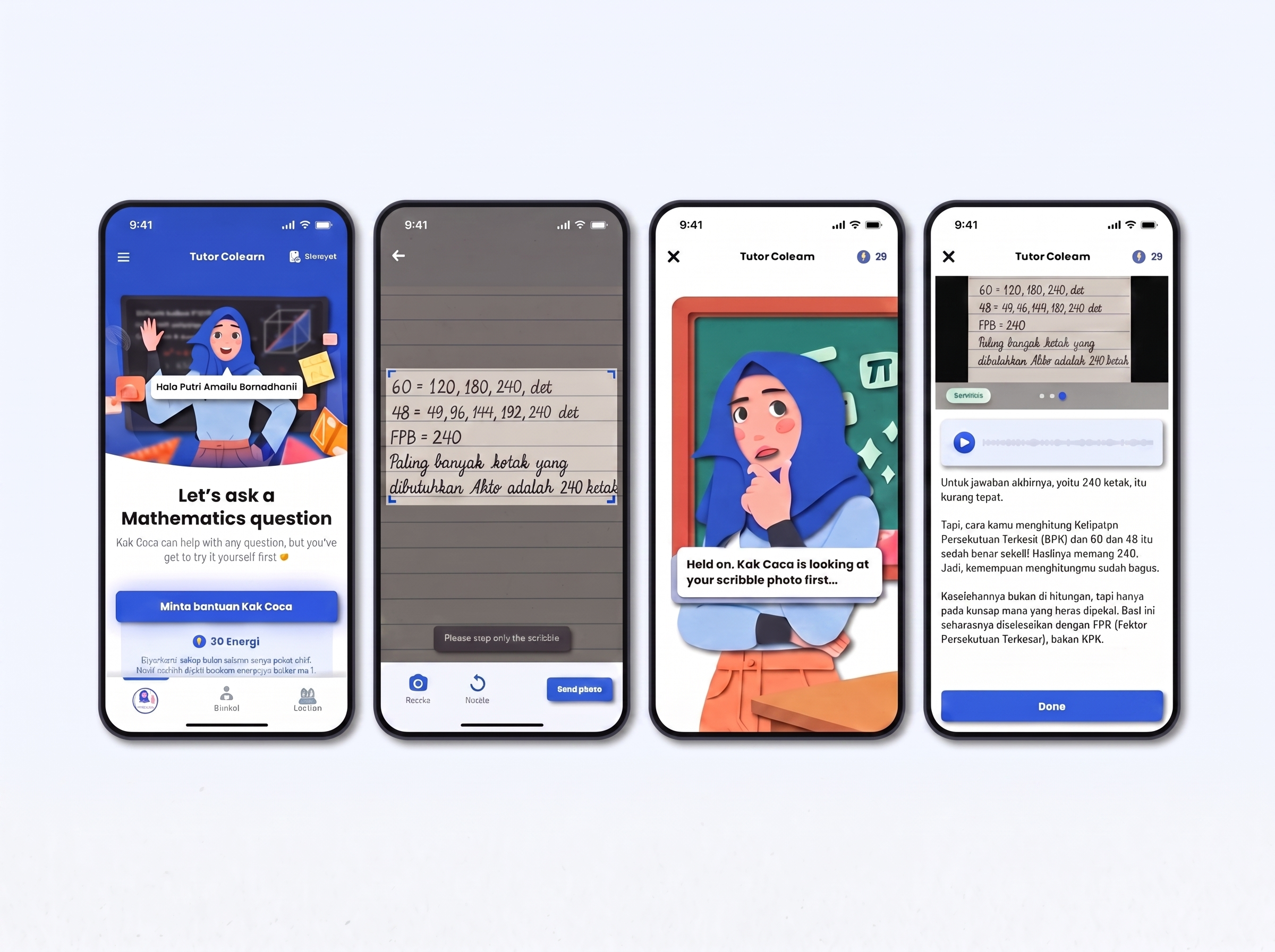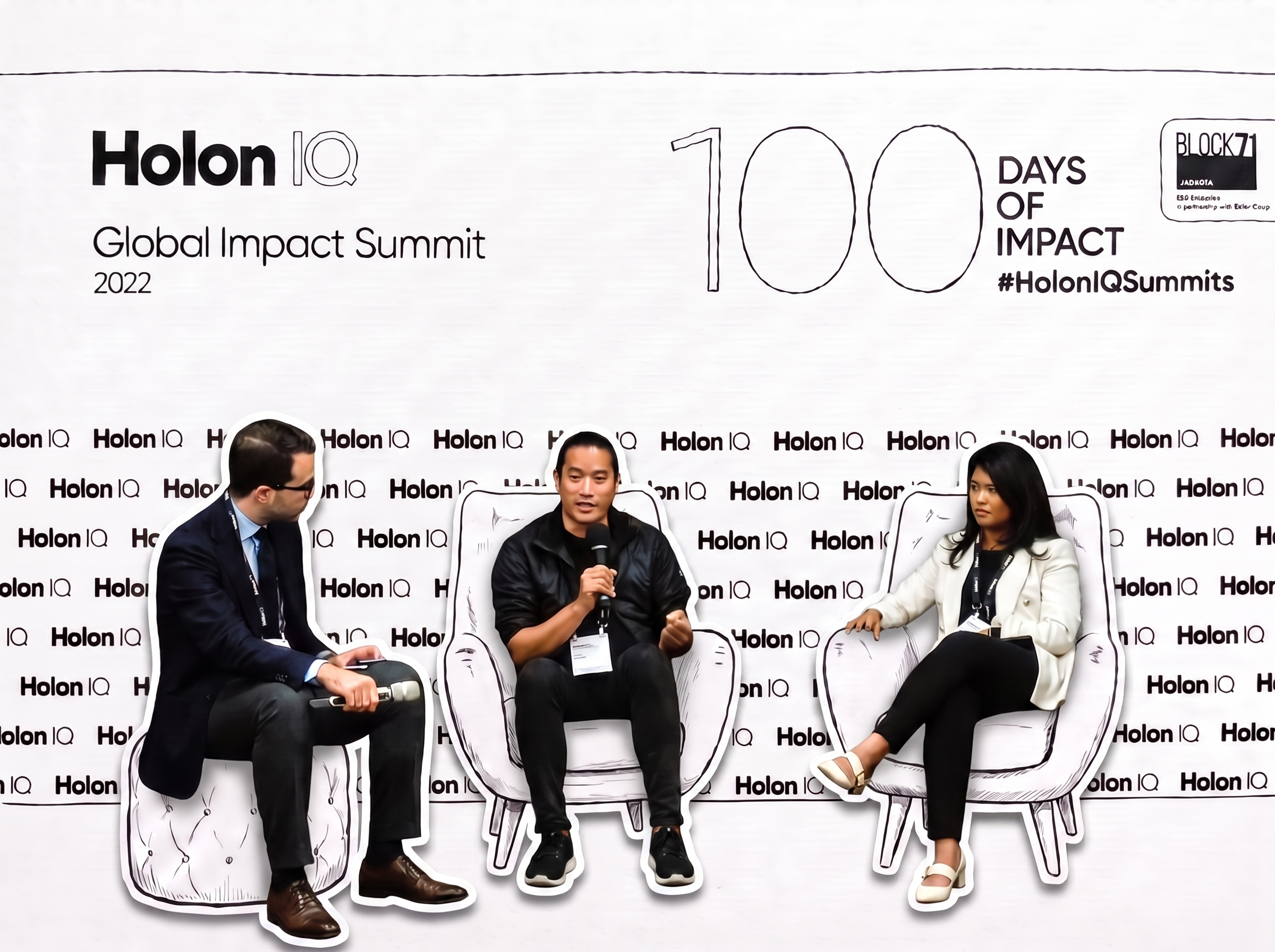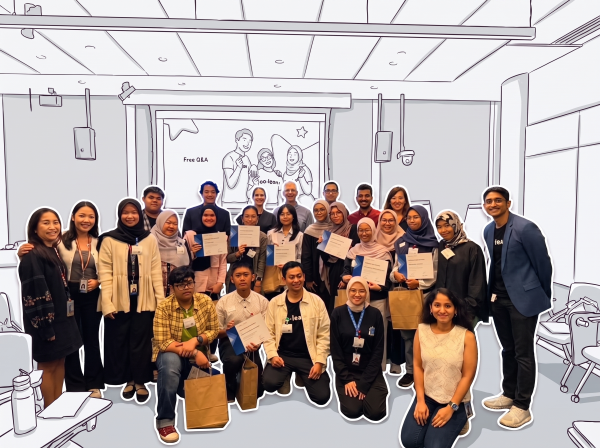
On February 4th, 2026, a delegation of Google’s Asia-Pacific leadership spent an afternoon with CoLearn students and parents at Google’s Jakarta office, as part of a regional immersion program on Artificial Intelligence (AI) in education. The session was designed to give Google’s leaders a close look at CoLearn’s ongoing work developing an AI tutor built on Gemini technology — one designed around “productive struggle” and retrieval practice, the mechanisms behind how real learning actually happens.
Alongside that, a direct, unscripted conversation with students and parents offered insight into how AI is used day to day, predominantly for schoolwork, along with their honest feedback and reflections on the experience.

The case for Southeast Asia as AI-in-Education's proving ground
CoLearn shared its reasons for operating and refining its educational products in Southeast Asia, with a particular focus on Indonesia. The country has the world’s fourth-largest education system, with more than 50 million students, and according to the OECD’s 2022 PISA assessment, Indonesia ranks 72nd of 78 countries in mathematics, 70th in science, and 72nd of 77 in reading — with 82% of students scoring in the “low-performing” band for math.
AI has real potential to democratize access to personalized learning support, but without thoughtful design, it risks worsening outcomes rather than improving them, and widening rather than closing the gap. The discussion centered not only on designing technology that promotes the productive struggle essential to learning, but also on how to motivate students to embrace that struggle rather than treat AI as a shortcut to quick answers.
Of the eight ASEAN countries that participate in PISA, the region spans the full spectrum — from top performers like Singapore, to mid-tier countries like Vietnam and Malaysia, to those further behind like Indonesia and the Philippines. That range, CoLearn argued, makes Southeast Asia a particularly valuable region for developing AI technology that genuinely enhances learning while guarding against cognitive offloading.

Where parents fit into the AI conversation
An intimate discussion with nine students from Jakarta-area schools — ranging from a 7th grader to a 12th grader — and four parents surfaced the on-the-ground realities of how AI helps, and sometimes hinders, their daily school life.
What’s often underrepresented in the conversation around AI in education is the role parents play in shaping students’ attitudes and behavior toward AI. How do we keep parents informed, and how do we help them guide their children toward using AI to enhance learning rather than shortcut it? These were some of the questions the session tried to surface.
Ultimately, it’s a tricky balance: getting genuine help versus using AI for instant answers that impede real learning.
Acknowledgement
We’re grateful to Google’s leadership for the opportunity to share the perspective and lessons we’ve gathered over the last five years. And while the day was framed around Google’s leaders learning directly from our students, the conversation also gave us a clearer picture of Google’s own direction in making education more accessible to more people around the world.